

The Fox, the Hen, and the Forsaken House (March 22, 2026)
The warning arrives mid-journey. Some Pharisees tell Jesus that Herod wants to kill him, and the reply is bracing:
“Go and tell that fox...” (Luke 13:32).
The word ἀλώπηξ was no compliment. In Jewish usage, the fox signified petty, destructive meddling rather than genuine power. Jesus assigns Herod the role of a pest. The real danger lies not with the tetrarch but with the city ahead.
“It is impossible for a prophet to die outside Jerusalem” (Luke 13:33).
Found only in Luke, the line carries a grim irony. Jerusalem had grown so practiced at silencing those sent to her that the pattern had become almost predictable (2 Chr 24:20–21; Neh 9:26; Jer 26:20–23). Jesus names the city’s habit without self-pity, and the indictment opens immediately into grief:
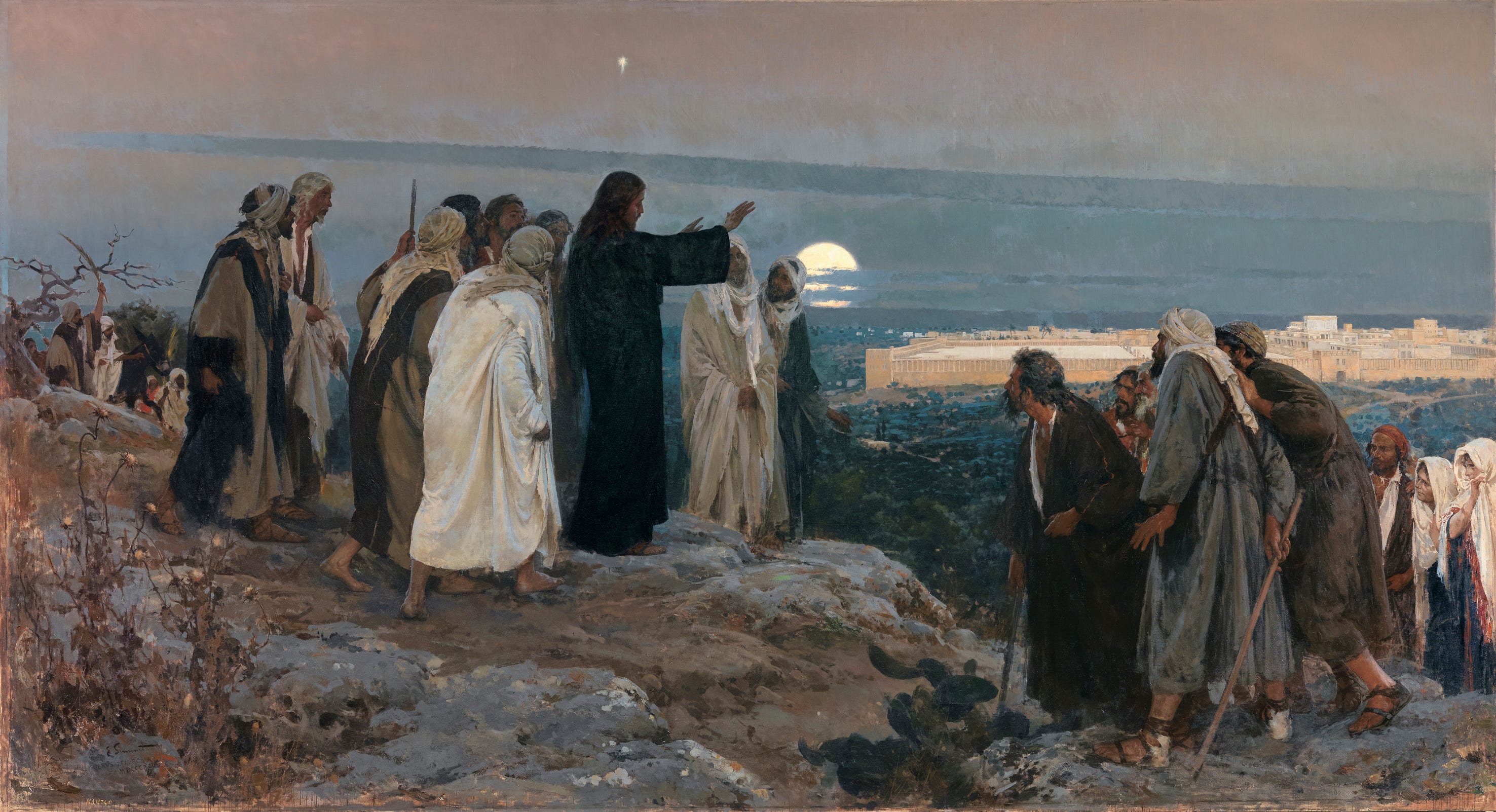
“O Jerusalem, Jerusalem, the city that kills the prophets and stones those who are sent to it!” (Luke 13:34).
What follows is one of the most remarkable self-disclosures in the Gospels.
“How often would I have gathered your children together as a hen gathers her brood under her wings, and you were not willing!” (Luke 13:34).
The image of wings sheltering God’s people runs through the Old Testament as a signature of Yahweh’s own protection (Deut 32:11; Ps 91:4; Isa 31:5; Ruth 2:12). When Jesus reaches for this image, he claims the divine gesture as his own. The one weeping over Jerusalem is not simply one prophet among many. He is the divine gatherer arriving in person, and the city is unwilling to accept him.
The lament closes with a departure oracle:
“Behold, your house is forsaken” (Luke 13:35).
The word “house” points to the temple, and behind the declaration stands a tradition of divine abandonment texts: Jer 12:7 and 22:5, and, most vividly, Ezekiel’s vision of the glory of Yahweh withdrawing from the temple, step by step, before Jerusalem fell to Babylon (Ezek 9–11). What Ezekiel witnessed in vision, Jesus announces in person. He is not merely predicting destruction. He is the presence that is departing. The prophets had promised that Yahweh would return and fill his house again (Ezek 43:1–5; Mal 3:1). Jesus has rendered his verdict. The house will remain forsaken, just as it has been since Ezekiel’s vision.
The contrast between the fox and the hen quietly but intentionally frames the entire scene. Herod holds the power, and Jesus seems vulnerable. But the hen’s vulnerability is chosen, not imposed. She spreads her wings, aware that the fox is nearby. Think about where you see yourself in this scene: sheltered under those wings, or standing far away, unwilling?
“You will not see me until you say, ‘Blessed is he who comes in the name of the Lord’” (Luke 13:35).
The absence is real, and the “until” is not a consolation. It names the moment Jerusalem will see him again, and by then the verdict will already have been rendered.