

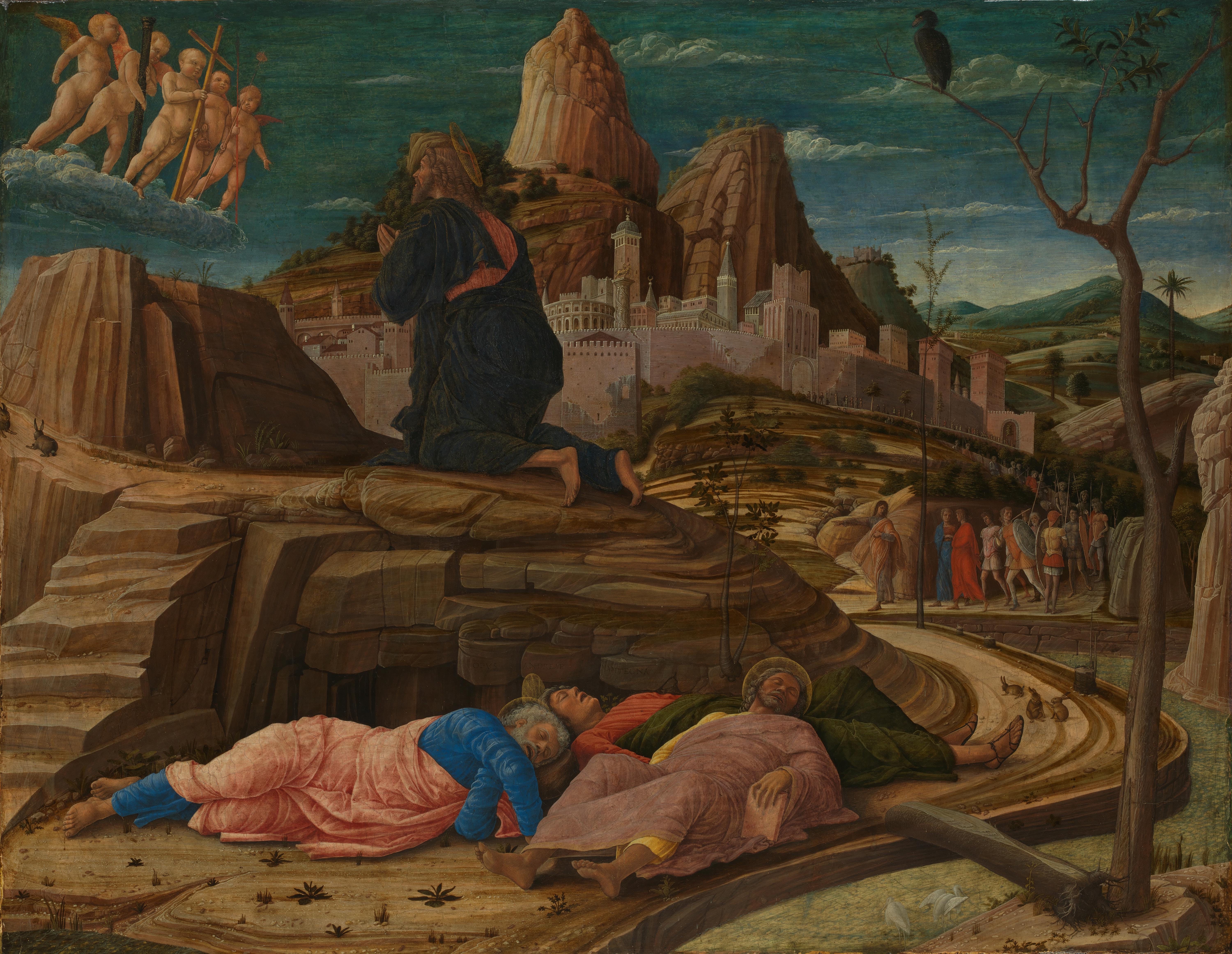
Not My Will (Luke 22:39–46)
When the devil finished tempting Jesus in the wilderness, Luke adds a detail that the other Synoptics omit. He writes that the devil departed from Jesus “until an opportune time” (Luke 4:13). The reader is meant to sense that phrase hanging over the rest of the Gospel. By Luke 22, the opportune time seems to have arrived. Satan enters Judas (22:3), and as Jesus is arrested, he names what is closing in: “this is your hour, and the power of darkness” (22:53). Gethsemane sits between the devil and darkness.
Jesus goes to the Mount of Olives, as was his habit, and instructs his disciples before withdrawing: “Pray that you may not enter into temptation” (22:40). The word is πειρασμός, the same term used for the location of the wilderness trial by the devil in 4:2. Luke further links the two scenes in case the bracket wasn’t clear already. Then Jesus kneels and prays.
Father, if you are willing, remove this cup from me. Nevertheless, not my will, but yours, be done (Luke 22:42).
The cup is not a vague metaphor. In Jeremiah, the Lord commands the prophet to take “this cup of the wine of wrath” and make the nations drink it (Jer 25:15–17). Isaiah reaches for the same image, referring to “the bowl of staggering” that Jerusalem has drunk to the dregs (Isa 51:17). The cup in Gethsemane is that cup, the cup of divine judgment. Jesus understands that it is the Father’s will for him to drink that cup in the place of others.
What follows is unique to Luke. An angel appears to strengthen him, and his sweat falls like drops of blood (22:43–44). The detail is not meant merely to describe physical distress. Something is genuinely being contested, and the contest is costly enough to require heavenly help.
The disciples, meanwhile, are found sleeping. Luke alone specifies the reason: it is from sorrow (22:45). The note reflects Luke’s sympathy toward them, but it does not change the fact that Jesus had asked them to pray and they had not.
He wakes them with the same instruction he gave at the start: “Rise and pray that you may not enter into temptation” (22:46). The framing is intentional. The disciples are about to face their own trial, and the answer to that trial, as it is with Jesus, is prayerful submission to the Father.
The wilderness temptation concluded with Jesus trusting the Father above every alternative the devil presented. Gethsemane ends the same way. The opportune moment came, but Jesus responded with prayer and submission.