

January 26, 2026 - “Do Not Presume”
“And do not presume to say to yourselves, ‘We have Abraham as our father,’ for I tell you, God is able from these stones to raise up children for Abraham” (Matt 3:9).
Presumption quietly destroys genuine faith.
The religious leaders standing at the Jordan weren’t bad people. They were the best people. They were the most devout, the most knowledgeable, and the most committed to God’s law. And that was precisely the problem. Their very devotion had become an obstacle to repentance.
They had Abraham as their father. They had the Temple. They had the Torah. They had centuries of tradition, daily prayers, and meticulous observance. Surely all of this mattered to God? Surely God wouldn’t judge them the same way he would judge those tax collectors and sinners?
Presumption whispers different lies to each of us. It says, “I’m already good enough.” It says, “God knows my heart.” It tells us, “I’ve been faithful for years,” or “My family has always been religious,” or “I do more than most people.” It’s not that these things are necessarily untrue. The problem is that they become shields against the Spirit’s convicting work.
But there’s another type of presumption that’s just as dangerous. We assume we know exactly what God’s Word says and precisely what God’s will is. We’ve read the Bible. We’ve studied theology. We know the answers. As a result, we stop listening. We stop asking questions. We stop being surprised by Scripture or challenged by the Spirit.
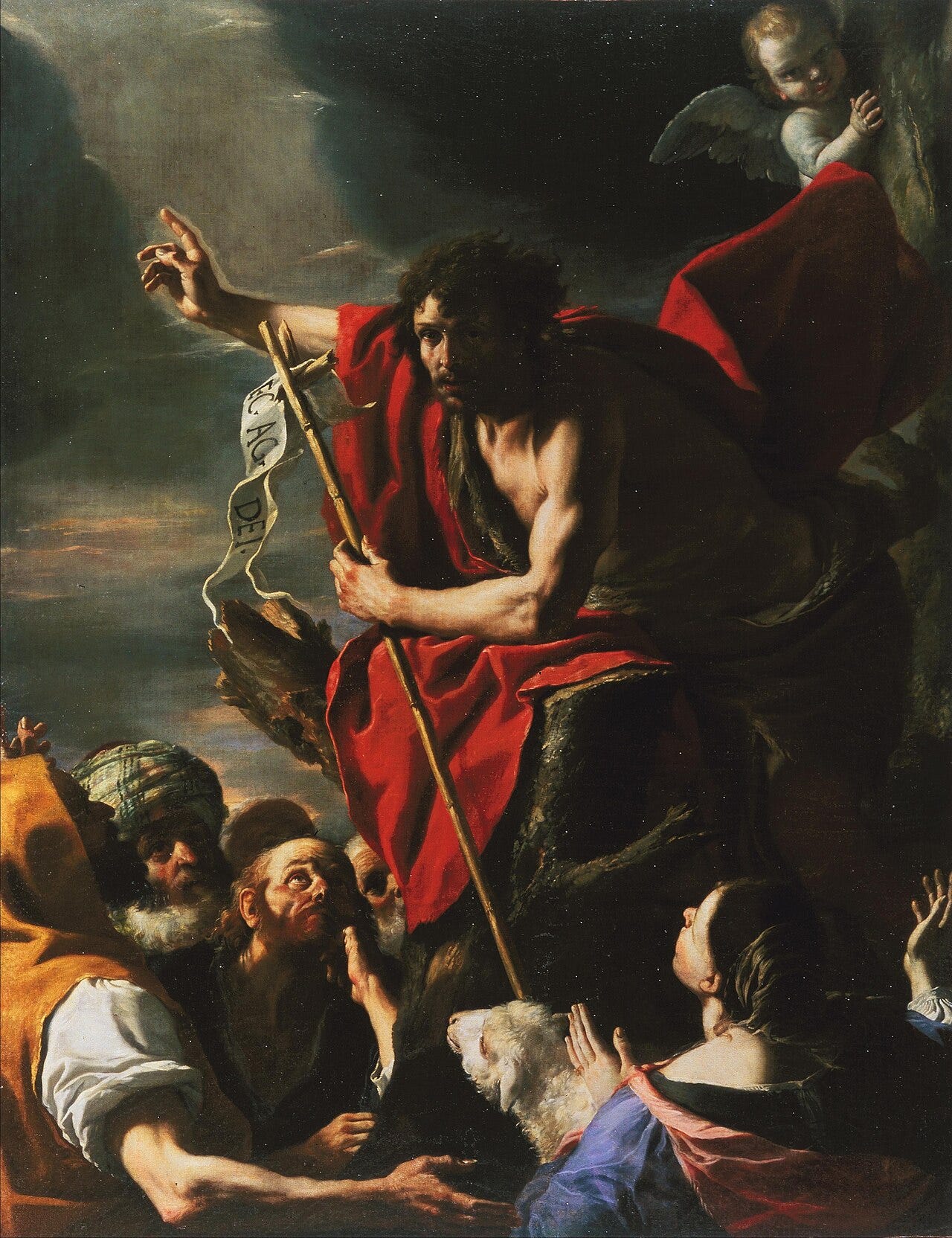
The Pharisees and Sadducees knew their Scriptures inside out. They could quote the Law and the Prophets easily. Their interpretations were well established, and their theological views were firm. But when John the Baptist appeared in the wilderness calling for repentance, they couldn’t hear him. Their confidence in what they believed God’s Word said kept them from hearing what God was really communicating through his prophet.
The danger for the religious is confusing proximity with transformation. We know the right words, sing the right songs, and perform the proper rituals. But has our knowledge about God truly led to a real relationship with God? Have our religious practices yielded the fruits of genuine repentance: humility, mercy, justice, and love?
Presumption is especially dangerous because it feels like faith. After all, isn’t confidence in God a good thing? Yes, but there’s a difference between trusting in God’s grace and relying on our religious record. There’s a difference between trusting God’s Word and assuming we’ve mastered it. One leads to gratitude and ongoing growth. The other leads to complacency and spiritual pride.
So ask yourself: What am I presuming about my relationship with God? What religious credentials do I depend on instead of truly repenting? Where have I stopped listening because I think I already know what God is saying? What would it look like today to bear fruit worthy of repentance rather than relying on yesterday’s fruit?
The kingdom is at hand. The ax is at the root. But God’s kindness is also close, prepared to turn stones into children of Abraham and to change religious people into true disciples.