

“What Then Will We Have?” (Feb. 12, 2026)
At the end of ch. 19, Peter asks a question that lurks inside many disciples’ hearts.
“See, we have left everything and followed you. What then will we have?” (Matt 19:27, ESV).
Jesus told the rich young man to sell everything and give to the poor, and the man walked away. That interaction causes Peter, who has actually left everything to follow Jesus, to wonder what his reward will be for doing what the rich young man could not. Jesus promises rewards—thrones, hundredfold returns, eternal life—but then adds a jarring qualification: “But many who are first will be last, and the last first” (19:30).
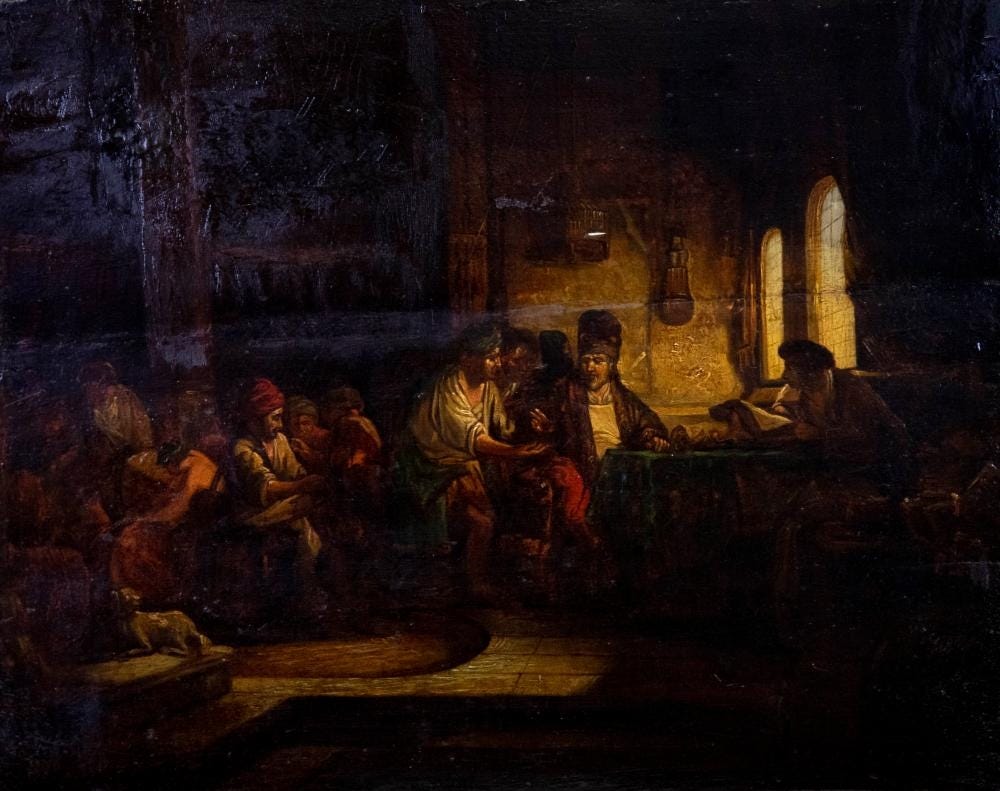
The following parable (Matthew’s “for” in 20:1 connects it directly to this statement) explains why Jesus issues this warning just as Peter begins calculating his heavenly portfolio. A landowner hires workers at different times throughout the day, then pays everyone the same wage, starting with the last hired. The workers who work all day, expecting more, receive exactly what they agreed to. Their complaint reveals the problem:
“These last worked only one hour, and you have made them equal to us who have borne the burden of the day and the scorching heat” (20:12).
This is also Peter’s problem. He has carried the burden. He has sacrificed. He believes he deserves more than most. The landowner’s response gets straight to the core of the issue:
“Am I not allowed to do what I choose with what belongs to me? Or do you begrudge my generosity?” (20:15).
We cannot be the arbiters of God’s grace. We cannot control when God calls someone or how much grace he dispenses. Some enter the vineyard as children; others arrive minutes before the workday ends. Some appear to us as deserving; others seem like questionable candidates for divine favor. God’s grace operates according to his equity, not ours, and it is offered freely to all without our input or approval.
The danger Jesus warns against here is viewing discipleship as a transaction and service as a way to earn heavenly rewards. Peter’s question—“What then will we have?”—exposes a heart still linked to following Jesus for “what’s in it for me.” Jesus does offer rewards, but he refuses to let his disciples serve mainly for those rewards. The call is to faithfulness, service, and sacrifice that mirrors his own coming death. We trust that God will settle the account on the last day, when many who seem last by our standards will be first by his, and vice versa. Until then, we serve without resenting the very generosity and mercy that is our only hope.