

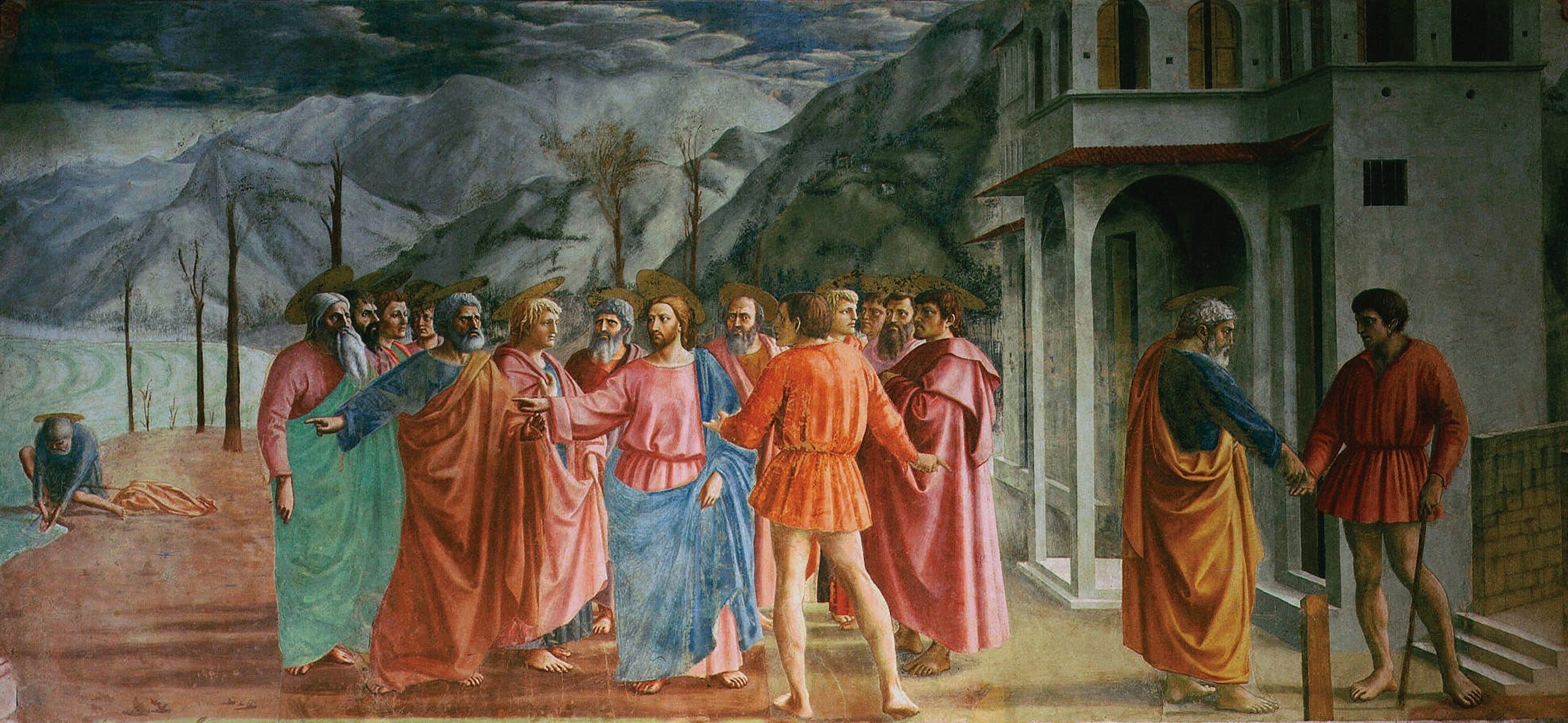
The Son and the Temple Tax (Feb. 9, 2026)
The unusual story in Matthew 17:24-27, found only in Matthew’s Gospel, reveals something important about Jesus’s identity. The tax mentioned is not a Roman civil tax but the yearly half-shekel temple tax that all Jewish males paid to support the upkeep and operations of the Jerusalem temple. This religious duty traces back to Exodus 30:11-16, where God commanded a census tax to support the tabernacle. By the first century, collectors gathered this tax across the Jewish world to pay for temple repairs, sacrificial supplies, and the daily functions of Israel’s main place of worship.
Jesus’s reasoning is powerful. Kings don’t tax their own sons; they tax others. If the temple is God’s house, and Jesus is God’s Son, then he doesn’t need to pay to support his Father’s house. Jesus makes a striking claim to divine sonship, spoken quietly during a personal conversation with Peter. He is claiming his special connection to the God of the temple and his authority over the very institution that shapes Jewish religious life.
Yet Jesus chooses to pay the tax anyway. He exercises his freedom by limiting it, refusing to cause offense even when he has every right to cling to his privilege. Jesus demonstrates pastoral wisdom worth reflecting on. There are times when insisting on our rights does more harm than good, and when accommodation serves the gospel better than assertion. Jesus models a kind of freedom that is expressed not in defiance but in voluntary submission for the sake of others.
The payment method is also important. Jesus doesn’t just reach into a purse. Instead, he tells Peter to go fishing and promises a miraculous coin in the first fish’s mouth. The amount is precisely right—one stater, worth four drachmas—enough for both of them. This miracle demonstrates Jesus’s authority over creation while exemplifying an act of humble obedience. God provides for obedience, even when that obedience is voluntary in nature.
The short story reveals something fundamental about Jesus. He is the Son with authority over the temple itself, yet he submits to its rules. He is free, but he chooses humility and service instead of confrontation. The King pays taxes in his own kingdom, and he does so through a miracle that hints at his true identity to those who have ears to hear.