

The Messiah They Didn’t Expect (Feb 8, 2026)
One moment, Peter is blessed for confessing Jesus as the Christ, the Son of the living God. The next moment, he is called Satan. What happened?
From that time Jesus began to show his disciples that he must go to Jerusalem and suffer many things from the elders and chief priests and scribes, and be killed, and on the third day be raised. And Peter took him aside and began to rebuke him, saying, “Far be it from you, Lord! This shall never happen to you.” But he turned and said to Peter, “Get behind me, Satan! You are a hindrance to me. For you are not setting your mind on the things of God, but on the things of man” (Matt. 16:21–23).
Peter’s confession was true, but his understanding was incomplete. He recognized Jesus as the Messiah, but like most first-century Jews, he expected a Messiah who would overthrow Rome, restore Israel’s kingdom, and reign in glory. When Jesus started explaining that he must go to Jerusalem to suffer and die, Peter rebuked him. This was not the plan. Messiahs do not die. They conquer.
Jesus’s response is sharp. “Get behind me, Satan!” Peter’s well-intentioned rebuke echoes the temptation in the wilderness: take the kingdom without the cross, claim the crown without the suffering. But there is no other way. The Son of Man must be delivered into the hands of sinners. The temple will be destroyed and raised in three days. The grain of wheat must fall into the ground and die.
Then Jesus opens this path to everyone who chooses to follow him.
If anyone would come after me, let him deny himself and take up his cross and follow me (Matt. 16:24).
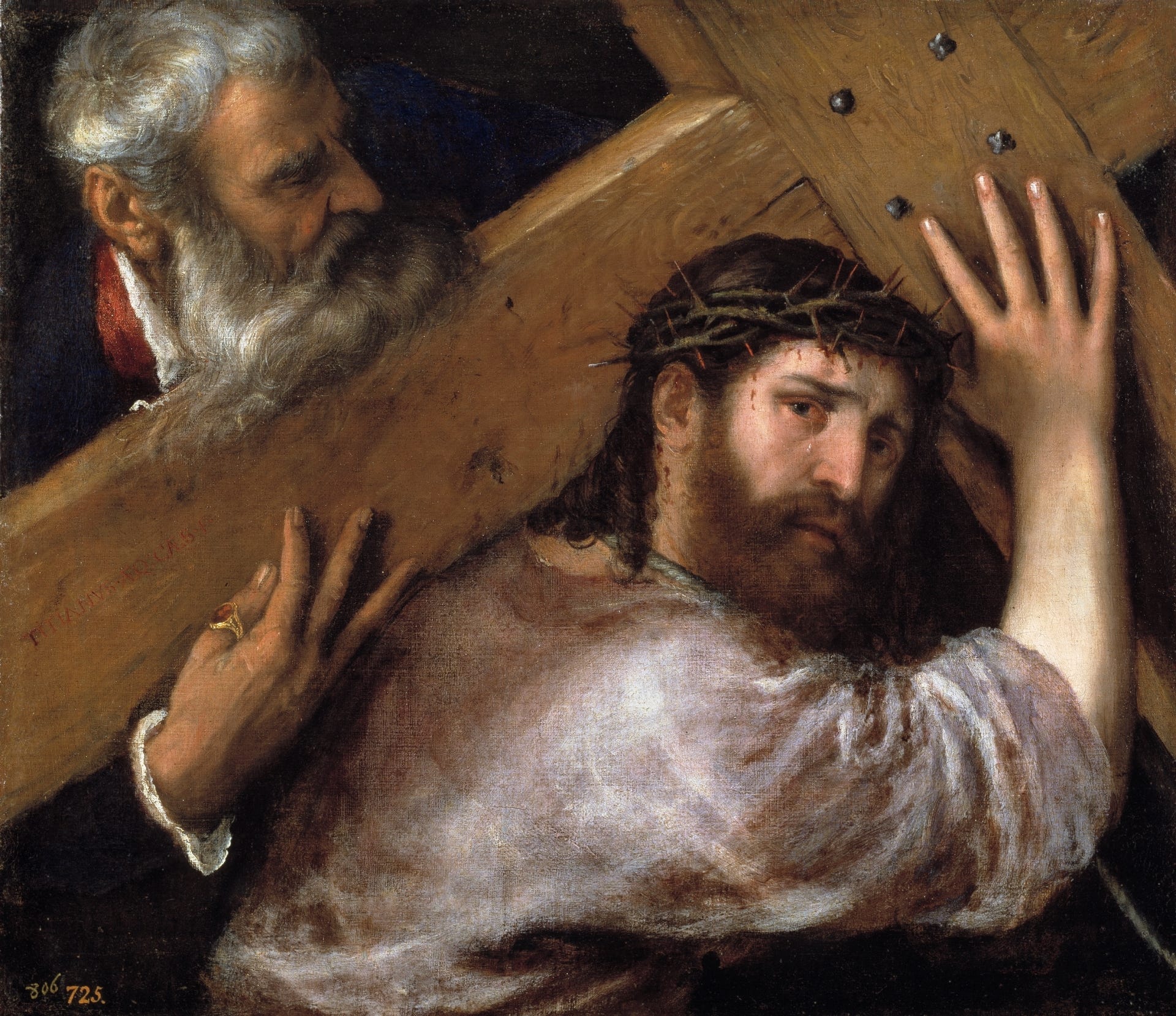
The cross is not a symbol for minor troubles or challenging times. In the first century, everyone understood what a cross represented. It was a tool of execution used on those who dared to rebel against the Roman Empire. To take up your cross meant walking the path toward your own death.
This is the Messiah we confess. Not one who promises comfort and success, but one who calls us to die. Not one who validates our ambitions, but one who demands we surrender them. We want a Jesus who blesses our plans. Jesus offers us a cross.
The question is whether we will follow the Messiah we want or the Messiah (and Lord!) that Jesus truly is. Will we confess Christ with our words while rejecting his path with our actions? Or will we take up our cross and follow him, even if it costs us everything?
I am reminded that this is what is wrong with the prosperity gospel espoused by so many! Jesus himself said His way was the narrow way and often the way of suffering. If we are going to say we follow Him, we must echo the words of Job “yet though he slay me, I will trust in him!”