

The Lord of the Sabbath (Feb. 23, 2026)
The Sabbath dates back to the beginning of the story. On the seventh day, God rested from all His works, and He invited Adam and all of creation to share in that rest (Gen 2:2–3). The command to honor the Sabbath and keep it holy is part of the Ten Commandments — not as a burden placed on people but as an invitation to enter into the rest that God Himself was already enjoying (Exod 20:8–11; Deut 5:12–15).
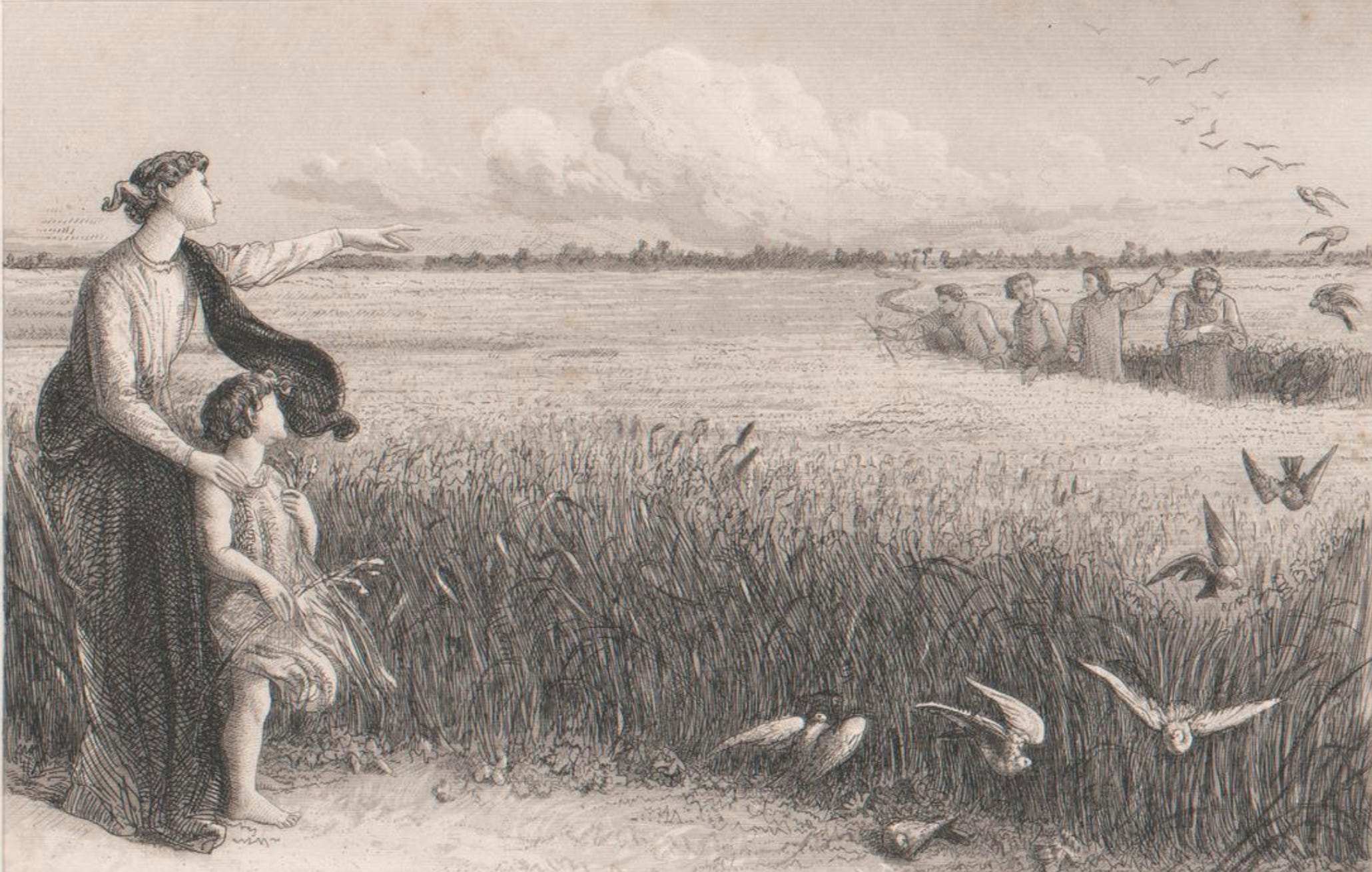
By the time of Jesus, the Pharisees had developed an elaborate hedge of laws around that command to make sure it was not broken. But when they saw his disciples plucking heads of grain as they walked through the fields on a Sabbath, they confronted Jesus directly (Mark 2:23–24).
His response first pointed to David, who entered God’s house and ate the bread of the Presence when he and his men were hungry (1 Sam 21:1–6)—bread reserved by the law solely for the priests (Lev 24:5–9). The principle: when people are starving, human needs override the command. Then he drew the conclusion:
“The Sabbath was made for man, not man for the Sabbath. So the Son of Man is lord even of the Sabbath” (Mark 2:27–28).
The Sabbath was created for the benefit of humanity. Humanity was not created for the benefit of the Sabbath. This truth applies to any commandment: the commandment is meant to serve the good of people; people were not created to serve the commandment. This idea should make us question ever treating the rule of law as something sacred while watching people suffer.
But Jesus does not stop there. He goes a step further and says that the Son of Man is lord even of the Sabbath. This passage is only the second time in Mark’s Gospel that Jesus has called himself the Son of Man. The first was earlier in this same chapter:
“that you may know that the Son of Man has authority on earth to forgive sins” (Mark 2:10).
Now the claim expands — the Son of Man has authority even over the Sabbath.
In Dan 7:13–14, the Son of Man appears before the Ancient of Days, to whom is given dominion, glory, and a kingdom, so that all peoples, nations, and languages should serve him. Jesus claims to be this figure. If that is who he is, then his authority goes beyond kingdoms, nations, and languages. It includes forgiving sins and redefining what Sabbath keeping looks like.
The logic is clear: if the Sabbath was made for man and not man for the Sabbath, then the one who truly embodies what it means to be human has authority over what was created for humanity. The author of Hebrews will later explore the full implications of this, arguing that the rest God has always invited his people into is fulfilled not in a day but in a person (Heb 4:1–11). Right now, we are only seeing signposts, but they are pointing us toward something extraordinary.