

Revealed on the Cross (March 8, 2026)
Mark begins his Gospel like this:
The beginning of the gospel of Jesus Christ, the Son of God (Mark 1:1).
The reader knows from the first line who Jesus is. The question Mark pursues across fifteen chapters is whether anyone else will figure it out.
The answer, it turns out, is almost no one, and the one person who does is not who we might expect.
Before we get to that, God himself does identify Jesus as his Son twice. At the baptism, a voice from heaven addresses Jesus directly:
“You are my beloved Son” (Mark 1:11).
At the transfiguration, the same voice speaks to the three disciples:
“This is my beloved Son; listen to him” (9:7).
Also, the demons recognize who Jesus is, but he silences them (1:24–25, 34; 3:11–12; 5:7).
No human being in Mark’s Gospel calls Jesus the Son of God — not his disciples, not the crowds, not the religious leaders who interrogate him at trial. Not even Peter in his confession.
No one, that is, until the cross.
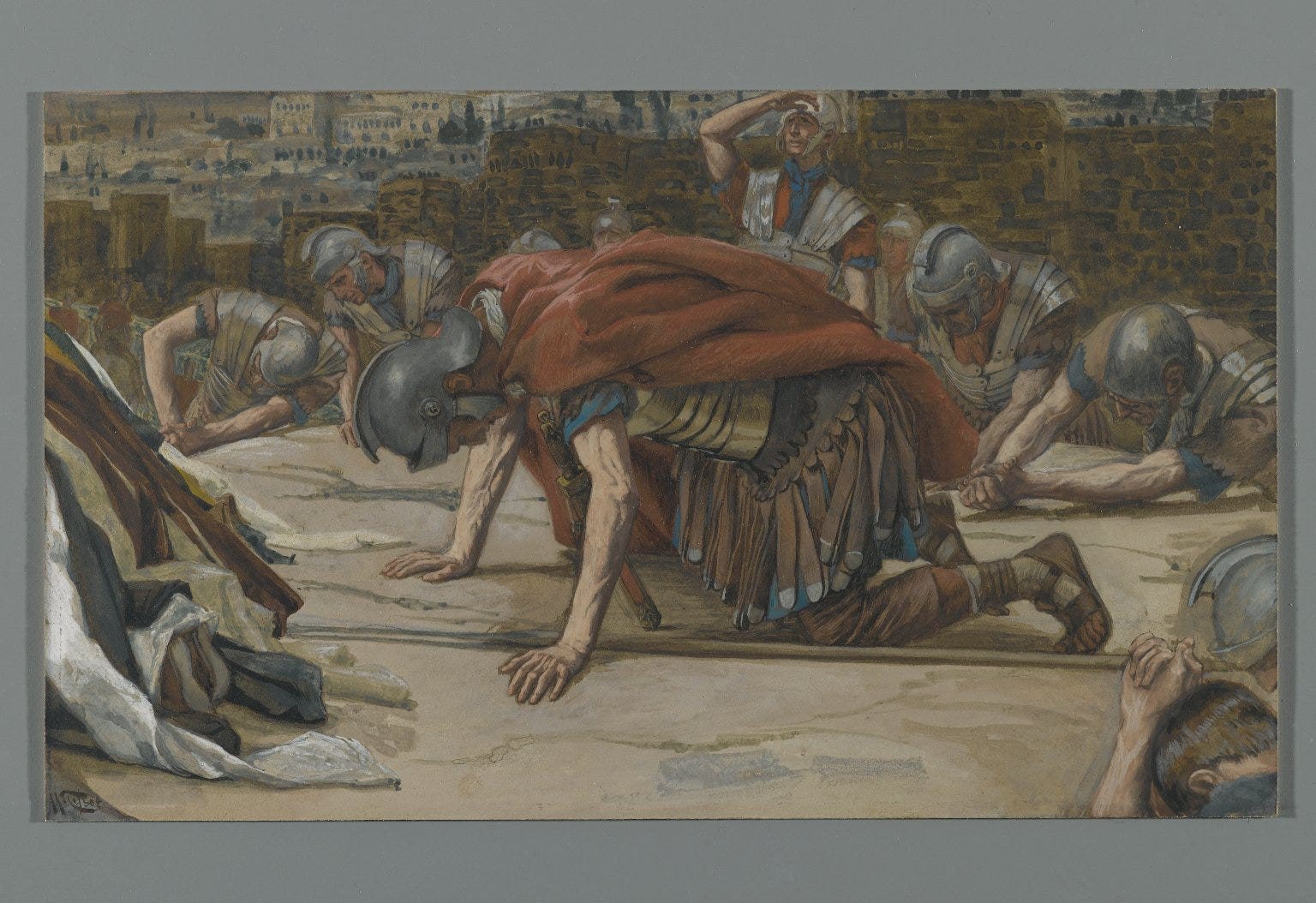
When Jesus dies, a Roman centurion — a Gentile soldier, an outsider to Israel’s story — stands at the foot of the cross and says,
“Truly this man was the Son of God” (15:39).
The Greek, υἱὸς θεοῦ (huios theou), echoes the very language of Mark’s opening verse. The confession the reader has held since 1:1 finally lands on human lips here, of all places.
What triggers the confession is telling. The centurion does not confess because of a miracle. He does not confess because of the resurrection. He confesses because of the manner of Jesus’s death (15:39). This stands in direct contrast to the mockers surrounding the cross moments before, demanding a sign:
“Let the Christ, the King of Israel, come down from the cross that we may see and believe” (15:32).
They are convinced that a cross could never be the place where God is revealed. The centurion, watching Jesus breathe his last, concludes the opposite.
Mark is making a claim that cuts against every expectation: the cross is not the obstacle to recognizing Jesus as the Son of God — it is the revelation of it. Coming down would have been the wrong answer. Dying there is precisely what opens the centurion’s eyes. What does it mean for your own faith that the cross of Jesus is where he is finally seen for who he truly is?