

Jesus’ Exodus (March 18, 2026)
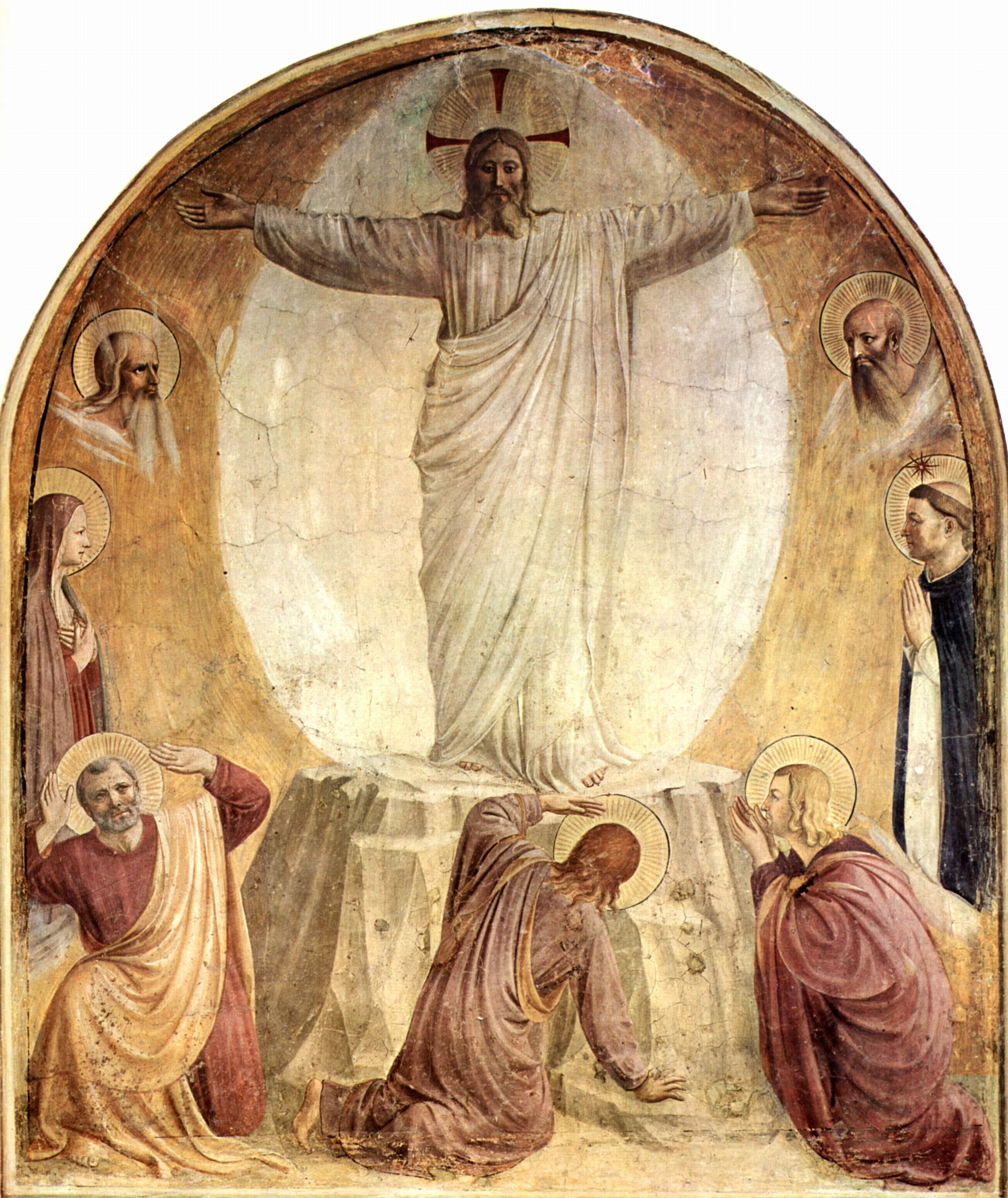
At the Transfiguration, the word Luke chooses for what Moses and Elijah discussed with Jesus is not accidental. They “spoke of his departure, which he was about to accomplish at Jerusalem” (Luke 9:31). That word translated as “departure” is ἔξοδος (exodos), the title of the second book of the Torah. It carries the full significance of Israel’s pivotal moment: the liberation from Egypt, the crossing of the sea, and the journey toward the land of promise.
Luke has been building toward this word from the opening chapters. In the Benedictus, Zechariah praised God for raising up “a horn of salvation” who would deliver Israel from her enemies and guide her feet “into the way of peace” (1:68–79), language soaked in exodus memory. At the Jordan, Luke extended the quotation from Isa 40 further than any other Synoptic, pushing to verse 5: “all flesh shall see the salvation of God” (3:6). The great new exodus of Deutero-Isaiah, in which Yahweh leads a second procession through the wilderness, had been on Luke’s horizon from the beginning. What was anticipated in prophecy and announced in birth narratives now has a name and a destination: ἔξοδος and Jerusalem.
The verb Luke pairs with the noun sharpens the point even further. Jesus’s exodus is something he was about to “accomplish” (πληρόω, plēroō), the same word used elsewhere for the “fulfillment” of Scripture (4:21). The pairing is worth pausing over. His death is not an interruption of Israel’s story but its completion. Moses and Elijah understand this. Moses, who led the first exodus out of Egypt, appears here as a witness to the one that will surpass it. Elijah stands alongside him as the prophet whose return was promised before the day of the Lord (Mal 4:5–6), the one who had announced what was now arriving.
The disciples, meanwhile, ‘were heavy with sleep’ (9:32). The detail is unique to Luke and will reappear at Gethsemane (22:45), where the disciples again sleep while Jesus faces the very suffering Moses and Elijah described on the mountain. In both scenes, the ones closest to Jesus are present but unaware. They are being led into an exodus they do not yet understand.
Their understanding begins to take shape at 9:51, when Jesus “set his face to go to Jerusalem.” The travel narrative that unfolds from that verse to 19:44 functions as the new exodus march: a long, deliberate journey through the land, led by the one Moses and Elijah discussed on the mountain. The disciples trailing behind are not merely followers; they are a people being led out.
The voice from the cloud identifies who is leading them: “This is my Son, my Chosen One; listen to him” (9:35). Luke’s title, ἐκλελεγμένος (eklelegmenos, “Chosen One”), echoes the servant of Isa 42:1. The one leading this new exodus will succeed not through military conquest but through the suffering that Moses and Elijah predicted on the mountain. He leads his people out not by defeating enemies but by bearing their sin and passing through death himself.